

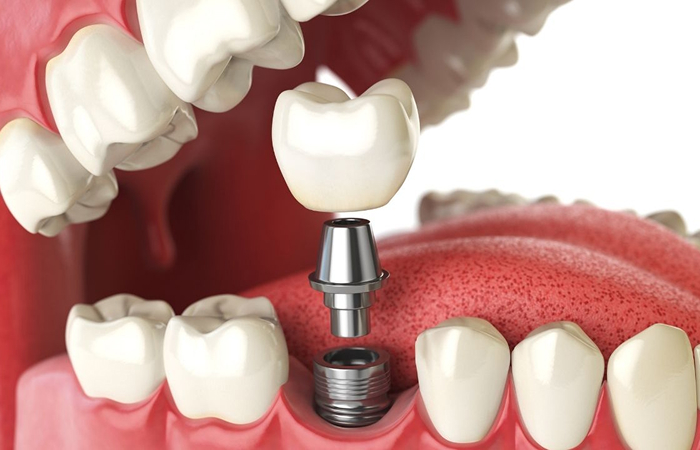
Bredent (Titanium) Implant
Bredent titanium implants are implant systems that stand out for their reliability and long-term success in the treatment of missing teeth. Manufactured from titanium material with high biocompatibility, these implants aim to replicate natural tooth function by achieving strong integration with the jawbone. They are frequently preferred in treatments where both aesthetic and functional expectations are considered together. The procedure is generally performed in a clinical setting under local anaesthesia or sedation and, in cases requiring advanced surgical intervention, may also be carried out under general anaesthesia in an operating theatre.
What is a titanium implant?
Titanium implants are artificial roots produced from pure titanium or titanium alloys that function as replacements for natural tooth roots. Thanks to their biological compatibility with bone tissue, they support the attachment of bone cells to the implant surface. This property enables the implant to function securely and durably within the jawbone over the long term.
In which cases are Bredent titanium implants preferred?
They are preferred in cases of single-tooth loss, multiple missing teeth, and fully edentulous patients. In addition, they are safely used in treatments where the restoration of chewing function is a priority and where prosthetic restorations require a strong and stable foundation.
Points to consider before Bredent titanium implant treatment
Before treatment, the patient’s general health status, existing chronic conditions, and regularly used medications should be evaluated in detail. The suitability of the jawbone for implant placement should be analysed using radiographic imaging methods. Ensuring proper oral hygiene before the procedure, including regular tooth brushing and the use of antiseptic mouthwashes, helps to reduce the risk of infection.
Points to consider after Bredent titanium implant treatment
Following implant placement, the implant area should be protected during the first 24 hours, and hot foods and beverages should be avoided. Smoking and alcohol consumption are not recommended, as they may negatively affect the healing process. Medications prescribed by the clinician should be taken as directed, and oral care should be performed gently and carefully. Not missing follow-up appointments is important for the long-term success of the implant.
