

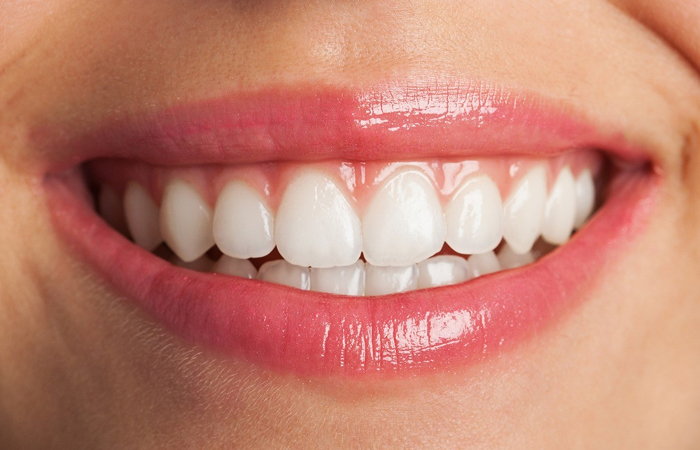
Composite Restorations (Bonding Procedures)
Composite restorations are an aesthetic and functional treatment method used to restore teeth affected by decay, fractures, wear, and shape irregularities. Bonding procedures performed with tooth-coloured composite materials aim to preserve the natural appearance of the teeth. The ability to apply this technique with minimal removal of tooth structure has made it one of the most commonly preferred restorative treatments. The procedure is usually completed in a short time under local anaesthesia in a clinical setting.
What are composite restorations?
Composite restorations are filling and reshaping procedures carried out using composite materials that are bonded to the tooth structure with specialised adhesive systems. This treatment restores the form, colour, and function of the teeth in harmony with their natural structure. It is an aesthetic restorative option that can be safely used on both anterior and posterior teeth.
In which cases are bonding procedures performed?
Bonding procedures are used in the treatment of dental caries, the repair of fractured or cracked teeth, the closure of gaps between teeth, and the correction of aesthetic colour imperfections. They are also preferred for correcting size and shape irregularities of the teeth.
Points to consider before composite restorations
Before treatment, both the teeth and gingiva must be healthy. An intraoral examination should be carried out to assess the presence of caries, infection, or periodontal disease. Ensuring proper oral hygiene before the procedure—through tooth brushing and the use of an antiseptic mouthwash—contributes significantly to treatment success.
Points to consider after composite restorations
For the first few hours after the procedure, patients are advised to avoid hard foods and beverages that may cause staining. Oral hygiene should be maintained carefully, and regular tooth brushing and flossing should not be neglected. Attending follow-up appointments is important to ensure the long-term durability of the restoration.
