

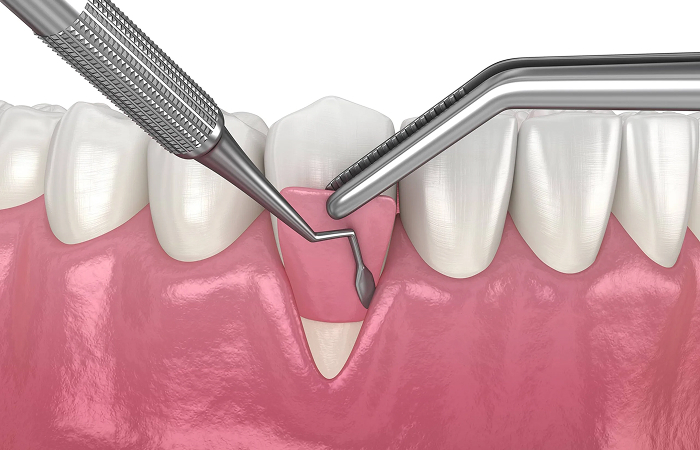
Gum Recession Treatment (Soft Tissue Graft, Hard Tissue Graft)
Gum recession treatment includes periodontal procedures aimed at restoring lost gum tissue that causes tooth roots to become exposed and at re-establishing healthy gum conditions. Through soft and hard tissue grafting procedures, both aesthetic and functional problems are addressed. These treatments are important for reducing tooth sensitivity and preserving the supporting structures of the teeth.
What is gum recession?
Gum recession is a condition in which the gum tissue moves away from the tooth, resulting in the exposure of the root surfaces. This can lead to aesthetic concerns, tooth sensitivity, and, in advanced stages, tooth loss. Traumatic tooth brushing, periodontal disease, and bone loss are among the most common causes.
In which cases are soft tissue and hard tissue grafts applied?
Soft tissue grafting is applied to increase the thickness and volume of gum tissue in areas where it is insufficient. Hard tissue grafting is preferred in cases where bone loss is present. These procedures are performed to protect tooth roots and stabilise the gum level.
Points to consider before gum recession treatment
Before treatment, the underlying cause of gum recession should be identified and a detailed periodontal assessment should be carried out. The patient’s general health condition and any medications being used should be reported to the dentist. Maintaining adequate oral hygiene directly affects the success of the treatment.
Points to consider after gum recession treatment
After the procedure, temporary sensitivity, swelling, and mild pain may occur. The grafted area should be protected, and hard or irritating foods should be avoided. Following the dentist’s aftercare instructions and attending regular follow-up appointments support the healing process and ensure long-term success.
