

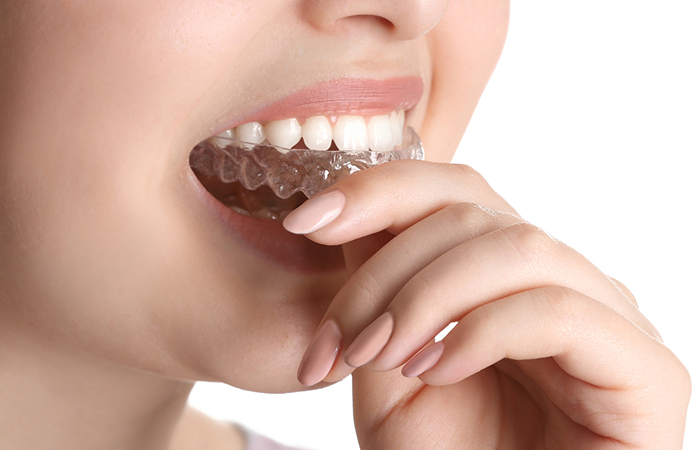
Temporomandibular Joint Disorders (TMJ) and Occlusal Splint Therapy
Temporomandibular joint (TMJ) disorders involve functional and structural problems in the joint where the lower jaw (mandible) connects to the skull. These issues can cause pain, clicking or popping sounds, and limited movement during chewing, speaking, or opening the mouth. Occlusal splint therapy is an effective and protective treatment method for managing these disorders.
What are Temporomandibular Joint Disorders?
TMJ disorders can result from teeth clenching or grinding, malocclusion (incorrect bite), stress, or trauma. These conditions may lead to pain in the joint and surrounding muscles, headaches, neck pain, and difficulty opening the mouth. Early diagnosis is crucial for successful treatment.
When is Occlusal Splint Therapy Applied?
Occlusal splints are used for patients who clench or grind their teeth and experience pain or sounds in the jaw joint. They are also effective for managing muscle-related jaw pain and correcting bite-related issues. Custom-made splints help reduce pressure on the joint and improve overall function.
Points to Consider Before Treatment
Before starting treatment, a detailed TMJ examination and bite analysis should be performed. The patient’s symptoms, habits, and any previous treatments are assessed. Radiographic imaging may be utilized if necessary.
Points to Consider After Treatment
It is important to use the splint exactly as recommended by the dentist, both in duration and manner of use. Mild muscle soreness may occur during the first few days, which is usually temporary. Regular cleaning of the splint and adherence to follow-up appointments are essential for treatment effectiveness and long-term success.
