

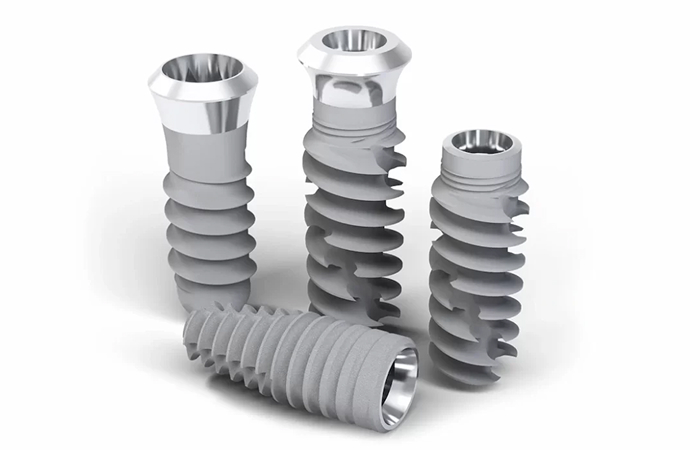
Straumann Implant
Straumann implants are implant systems that have been used reliably for many years in the treatment of missing teeth, supported by scientific research and demonstrating high success rates. Thanks to their specialised surface technologies that enable strong integration with the bone, they aim to deliver successful results both functionally and aesthetically. They are suitable for a wide range of indications, from single-tooth replacements to fully edentulous cases. The procedure is generally performed in a clinical setting under local anaesthesia or sedation and, when deemed necessary, may also be carried out under general anaesthesia in an operating theatre.
What is a Straumann implant?
Straumann implants are dental implant systems manufactured from titanium or titanium–zirconium alloy materials with high biocompatibility. Their advanced surface structure supports faster attachment of bone cells to the implant. This characteristic contributes to a shorter healing period and enhances the long-term stability of the implant.
In which cases are Straumann implants preferred?
They are commonly preferred for patients with single or multiple missing teeth, individuals in advanced age groups, cases with limited bone quality, and those seeking a long-lasting treatment solution. Straumann implants are also frequently used in situations requiring a rapid healing process and in treatments where prosthetic planning plays a key role.
Points to consider before Straumann implant treatment
Before treatment, the patient’s systemic health status, existing chronic conditions, and regularly used medications should be evaluated in detail. The structure, volume, and density of the jawbone should be analysed using radiographic imaging methods. Ensuring proper oral hygiene, regular tooth brushing, and the use of antiseptic mouthwashes help reduce the risk of post-operative infection.
Points to consider after Straumann implant treatment
Following implant placement, pressure should not be applied to the implant area during the first 24 hours, and hot foods and beverages should be avoided. Smoking and alcohol consumption are not recommended, as they may negatively affect the healing process. Medications prescribed by the clinician should be taken as directed, and oral care should be performed gently and carefully. Attending follow-up appointments regularly is of great importance for the long-term success of the implant.
