

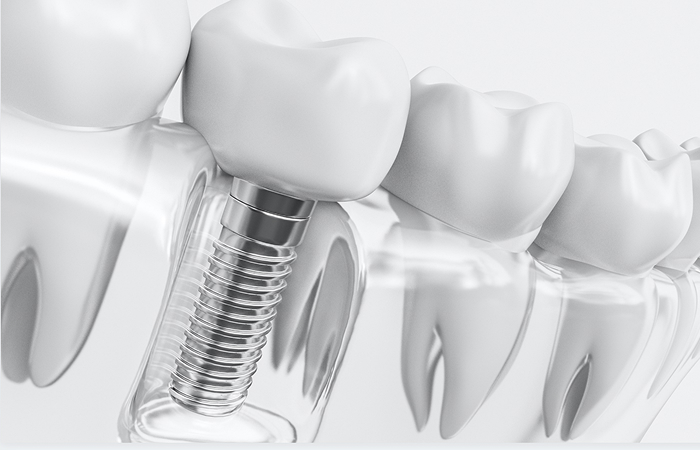
BIL Implant
BIL implants are implant systems preferred for their reliability and high clinical success rates in the treatment of missing teeth. Manufactured from highly biocompatible materials, these implants aim to provide long-lasting and functional solutions by achieving strong integration with the jawbone. They are suitable for a wide range of applications, from single-tooth replacements to multiple tooth losses. The procedures are generally performed in a clinical setting under local anaesthesia or sedation and, when necessary, may also be carried out under general anaesthesia in an operating theatre.
What is a BIL implant?
BIL implants are artificial roots manufactured from highly biocompatible titanium material and designed to function as natural tooth roots. Thanks to their specialised surface structure, they support the attachment of bone cells to the implant surface. This feature ensures that the implant is securely anchored within the jawbone and maintains long-term stability.
In which cases are BIL implants preferred?
They are preferred for patients with single or multiple missing teeth, in cases where the restoration of chewing function is a primary goal, and in treatments where fixed prosthetic restorations are planned. BIL implants are also a suitable option for patients seeking durability and long-term use.
Points to consider before BIL implant treatment
Before treatment, the patient’s general health status, existing systemic conditions, and regularly used medications should be evaluated in detail. The suitability of the jawbone for implant placement should be analysed using radiographic imaging methods. Maintaining proper oral hygiene, including regular tooth brushing and the use of antiseptic mouthwashes, helps to reduce the risk of infection.
Points to consider after BIL implant treatment
Following implant placement, the implant area should be protected during the first 24 hours, and hot foods and beverages should be avoided. Smoking and alcohol consumption are not recommended, as they may negatively affect the healing process. Medications prescribed by the clinician should be taken as directed, and oral care should be performed gently and carefully. Attending follow-up appointments regularly is of great importance for the long-term success of the implant.
