

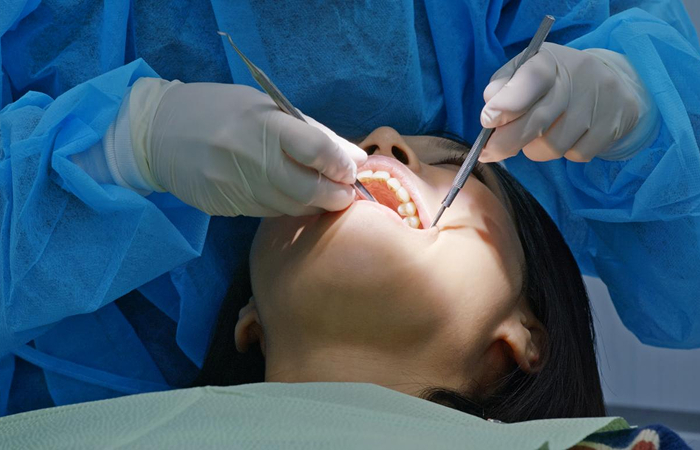
Surgical Tooth Extraction
Surgical tooth extraction is the procedure of removing teeth that cannot be extracted using conventional methods, such as impacted, partially impacted, fractured, or teeth positioned within the bone, through a surgical intervention. The aim of this procedure is to safely remove the tooth without causing damage to the surrounding tissues. Although it is most commonly performed for wisdom teeth, surgical extraction may also be required for various other reasons. The procedure is generally carried out in a clinical setting under local anaesthesia or sedation and, in advanced cases, may also be performed under general anaesthesia in an operating theatre.
What is surgical tooth extraction?
Surgical tooth extraction is an advanced extraction method used in cases where direct access to the tooth is not possible or when the tooth cannot be removed in one piece. By raising the gum tissue and, when necessary, carefully removing a portion of the surrounding bone, the tooth can be extracted in sections. This method aims to protect the surrounding tissues and reduce the risk of complications.
In which cases is surgical tooth extraction performed?
Surgical tooth extraction is performed for impacted or partially impacted teeth, fractured tooth roots, teeth positioned within the bone, and in cases with a risk of infection. It may also be preferred in situations where complications arise during a routine extraction.
Points to consider before surgical tooth extraction
The patient’s general health status, existing systemic conditions, and any regularly used medications should be fully disclosed to the clinician. Necessary radiographic examinations should be performed to assess the position of the tooth and the surrounding anatomical structures. Ensuring good oral hygiene before the procedure, including brushing the teeth and using an antiseptic mouthwash, helps to reduce the risk of infection.
Points to consider after surgical tooth extraction
After the procedure, the gauze placed over the extraction site should be kept in position for approximately one hour without disturbance. Rinsing, spitting, or using mouthwash should be avoided. During the first 24 hours, hot foods and beverages, smoking, and alcohol consumption should be avoided. Pain relief medication and other prescribed drugs should be taken as directed by the clinician. To reduce post-operative swelling, intermittent ice application may be recommended. If sutures have been placed, they are usually removed within 7–10 days.
