Introduction to Teeth Whitening
Teeth whitening is a dental procedure aimed at enhancing the brightness of one’s teeth by removing stains and discolorations. Many individuals seek to whiten their teeth for various reasons, including aesthetic improvement, boosting self-confidence, and social acceptance. Over time, factors such as food and beverage consumption, smoking, and natural aging can contribute to the yellowing of teeth, prompting people to explore different teeth whitening options.
There are primarily two popular methods for achieving whiter teeth: professional teeth whitening and teeth whitening at home. Professional teeth whitening involves treatments administered by dental professionals, utilizing stronger whitening agents, which can yield faster and more noticeable results. Conversely, teeth whitening at home includes over-the-counter products such as whitening strips, gels, toothpaste, and trays, which can offer convenience and affordability at the cost of time and sometimes effectiveness.
Both methods have their respective pros and cons. For example, professional whitening ensures better results under the supervision of a dentist but may come at a higher cost. On the other hand, home whitening options are typically less expensive and can be done at one’s convenience, although they may not be as powerful or effective as professional treatments. Additionally, individuals should keep in mind several whitening safety tips to minimize the risk of sensitive teeth or gum irritation, particularly when using at-home products.
This blog post will delve into the advantages and disadvantages of both teeth whitening methods, providing insights into the best possible choices for those considering this popular cosmetic enhancement. Understanding the nuances of each approach will empower individuals to make informed decisions suitable to their needs and desired outcomes.
Home Teeth Whitening
Home teeth whitening has become increasingly popular as individuals seek affordable and convenient options for achieving a brighter smile. Various methods are available for whitening teeth at home, including whitening toothpaste, strips, gels, and even do-it-yourself (DIY) remedies, each with its unique benefits and drawbacks.
Whitening toothpaste is one of the most accessible options. These products utilize mild abrasives and chemical agents to aid in the removal of surface stains. They generally focus on maintenance, and while effective for minor discoloration, they may not deliver dramatic results like more potent treatments.
Whitening strips and gels are another common choice. Unlike toothpaste, these products often contain bleaching agents like hydrogen peroxide, which can help achieve a lighter shade. They are generally easy to use, requiring users to apply them for a designated period. Although they are typically more effective than toothpaste, the results can often vary depending on the concentration of the whitening agent.
DIY remedies are also prevalent among individuals aiming to whiten their teeth at home. Ingredients such as baking soda, activated charcoal, and even coconut oil are often suggested as natural whitening options. While these methods may offer some degree of stain removal, it is crucial to approach them with caution—especially considering their potential to cause enamel erosion or gum irritation if misused.
In terms of cost, most home whitening methods are significantly less expensive than professional teeth whitening treatments, which can be a critical factor for many consumers. However, it is essential to weigh these methods’ convenience against their potential limitations. Research indicates that while at-home solutions can be effective for minor discoloration, results may not be as profound or lasting as those obtained through professional treatments.
Professional Teeth Whitening Options
When considering teeth whitening, many individuals look towards professional options provided by dentists, which can include both in-office treatments and at-home kits prescribed by dental professionals. These methods are generally regarded as safe and effective, providing significant results compared to over-the-counter products.
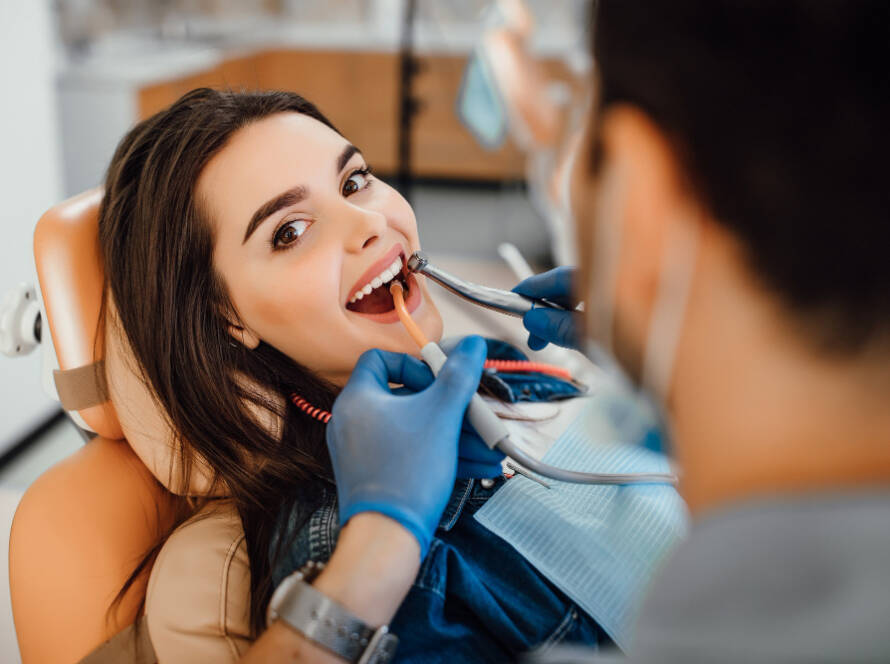
In-office teeth whitening is one of the most popular professional services, where dentists use stronger whitening agents, often containing hydrogen peroxide, to achieve rapid results. Treatment can be completed in a single session, lasting about an hour. The procedure involves applying a protective barrier to the gums and then applying the whitening agent directly to the teeth. Many patients experience noticeable whitening after just one treatment, making it an appealing choice for those looking for immediate results.
On the other hand, take-home whitening kits prescribed by dentists offer a more convenient option that can be done within the comfort of their home. These kits are custom-fitted to the patient’s dental structure and contain professional-grade whitening gels. The prescribed regimens typically require the patient to wear the whitening trays for a specified period each day. Although the results may take slightly longer to appear compared to in-office treatments, many find this method provides gradual, natural-looking whitening without discomfort.
Safety is another significant advantage of professional teeth whitening services. Dentists assess individual needs, ensuring that procedures are tailored to minimize sensitivity and other potential side effects. Furthermore, regular consultations with a dental professional can provide guidance on the safest and most effective whitening options available.
In conclusion, both in-office and at-home professional teeth whitening options present effective means to achieve a brighter smile. By relying on the expertise of dental professionals, patients can enhance their smile safely while being informed about the benefits and expected outcomes.
Advantages of Home Teeth Whitening
Home teeth whitening has become increasingly popular due to several compelling advantages it offers. One of the primary benefits is convenience. Individuals can whiten their teeth in the comfort of their own home without needing to schedule appointments or travel to a dental office. This flexibility allows users to integrate whitening into their daily routines as they see fit.
Cost-effectiveness is another significant factor that attracts individuals to at-home treatments. Professional teeth whitening procedures can be quite expensive, involving high costs associated with dental visits and specialized products. In contrast, home whitening kits come in various price ranges, often making them a more affordable option. Many people find that they can achieve satisfactory results without the financial burden associated with professional services.
The variety of available home whitening products is also a notable advantage. Consumers can choose from a plethora of options—including whitening strips, gels, toothpaste, and LED devices. This variety allows individuals to select a product that best fits their personal preferences and whitening goals. Additionally, having multiple options enables users to experiment and find the solution that works most effectively for them.
Another appealing aspect of whitening teeth at home is the level of control one has over the whitening process. Users can dictate the frequency and duration of treatments based on their own comfort levels. This personalized approach can lead to a more tailored experience, allowing individuals to monitor their progress and adjust their method as necessary.
Lastly, many people appreciate the privacy that at-home whitening affords. The intimate setting eliminates any potential discomfort associated with receiving treatment in a clinical environment. For those who value discretion in their beauty regimen, at-home options can provide a satisfying alternative to professional teeth whitening.
Pros of Professional Teeth Whitening
Professional teeth whitening services offer several advantages that can make them a preferred choice for individuals seeking a brighter smile. One of the most significant benefits is the speed and efficacy of the results achieved. Unlike teeth whitening at home, which may take weeks to show noticeable effects, professional treatments can deliver more dramatic improvements in a single session. This immediate impact can be particularly appealing for those with upcoming events or special occasions.
Additionally, professional whitening treatments are customized to meet the unique needs of each patient. Dentists conduct thorough assessments to determine the best approach based on individual oral health, the severity of discoloration, and personal preferences. This tailored approach ensures that the treatment addresses specific issues effectively, using high-quality products that might not be available for at-home use.
Moreover, the supervision of dental professionals during the whitening process enhances both safety and efficacy. Dental experts are trained to recognize any potential side effects and are equipped to address them promptly, minimizing the risk of damage to gums or teeth commonly associated with improper application of whitening agents at home. This expert oversight not only boosts confidence in the treatment’s outcomes but also reassures patients about their safety.
Furthermore, many professional whitening systems use advanced technology, such as laser treatments or customized trays, which can enhance results further. This innovation allows for more precise application, targeting stubborn stains while protecting surrounding tissues. Consequently, individuals opting for professional teeth whitening benefit not only from enhanced safety but also from long-lasting results that contribute to overall dental aesthetics.
Safety Considerations in Teeth Whitening
The safety of teeth whitening procedures—whether conducted at home or in a professional setting—warrants careful consideration. Each approach presents unique risks and side effects that potential users must evaluate before proceeding. Home whitening methods, commonly available through over-the-counter products, may be perceived as convenient and cost-effective. However, they often contain higher concentrations of whitening agents such as hydrogen peroxide or carbamide peroxide, which can lead to adverse effects like tooth sensitivity and gum irritation. Additionally, improper use or overuse can exacerbate these issues, potentially causing long-term damage to teeth and gums.
In contrast, professional teeth whitening treatments offered by dental practitioners are generally regarded as safer due to their supervised application. Dental professionals can tailor the concentration of whitening agents according to individual needs, thereby minimizing risks of sensitivity and irritation. Furthermore, under a dentist’s care, patients receive pre-treatment evaluations for oral health, which helps identify any existing dental issues that may complicate the whitening process.
Despite the safety advantages, professional teeth whitening is not entirely devoid of risks. Some individuals may experience temporary sensitivity post-treatment, but these side effects typically subside quickly. To enhance safety when opting for home whitening, consumers should consider certain whitening safety tips. These include following product instructions carefully, avoiding excessive use, and consulting a dentist for recommendations on suitable products.
Ultimately, the choice between home and professional whitening methods should be informed by individual circumstances, a thorough understanding of the potential pros and cons, and professional guidance when needed. Consulting with a dentist can prove invaluable in making an informed decision while prioritizing oral health and safety during the whitening process.
Cost Comparison: Home vs Professional Whitening
When considering teeth whitening options, one of the primary factors to assess is cost. Both home-based whitening kits and professional teeth whitening services come with distinct pricing structures that can greatly influence a person’s decision-making process.
At a glance, home teeth whitening products tend to have a lower initial investment. Over-the-counter whitening strips, gels, and trays can range from $20 to $100, depending on the brand and formulation. This affordability is appealing for many individuals who seek subtle results without a significant financial commitment.
In contrast, professional teeth whitening performed by a dental practitioner can present a higher upfront cost. On average, professional treatments may range from $300 to $1,500. While this is a considerably larger expenditure, many patients opt for this route due to the superior results and the expertise of dental professionals. Dentists can offer customized treatments that are tailored to individual needs, resulting in more effective and lasting outcomes.
It’s essential to factor in ongoing costs when evaluating the long-term economic implications of each whitening option. Home whitening kits may require re-purchases over time to maintain desired results, thus accumulating additional expenses. Conversely, while professional treatments may necessitate periodic touch-ups, the intervals between these sessions can be longer, ultimately leading to savings in the long-term.
Ultimately, the choice between home teeth whitening and professional services hinges on individual circumstances, including budget, desired results, and sensitivity to dental products. Each option has its advantages and drawbacks, and it is important for consumers to assess these factors to make an informed decision that aligns with their personal and financial priorities.
Effectiveness of Home vs Professional Whitening
When considering teeth whitening at home versus professional whitening, one of the most significant factors to evaluate is the effectiveness of each method. Home whitening treatments typically include over-the-counter products, such as whitening strips, gels, and toothpaste, which can yield noticeable results. However, the degree of whitening achievable with these products may vary significantly based on the user’s adherence to instructions and the initial tooth color and condition.
In contrast, professional teeth whitening, conducted by a qualified dentist, often utilizes stronger bleaching agents and advanced whitening techniques. This results in a more profound whitening effect that can address tougher stains, such as those caused by tobacco, coffee, or intrinsic discoloration. Many patients find that professional treatments provide immediate and dramatic results that home kits cannot match. Furthermore, dental professionals can customize treatments based on an individual’s specific needs and dental health, potentially leading to optimal outcomes.
Longevity of results is another crucial aspect impacting effectiveness. While home whitening kits can offer temporary improvements, the effects often fade more quickly due to the lower concentration of active ingredients. Conversely, the results achieved through professional whitening can last longer, sometimes up to several years, especially when coupled with good oral hygiene practices and regular dental check-ups.
The type of stains being treated also plays a significant role. Surface stains from food and beverages might respond well to both home and professional treatments. However, intrinsic stains, which originate within the tooth structure, are often better addressed through professional intervention. Thus, when weighing the options for teeth whitening at home versus professional whitening, understanding the various factors such as degree of whitening, longevity, and stain type is essential to making an informed choice.
Conclusion: Choosing the Right Teeth Whitening Method for You
When it comes to teeth whitening, individuals must weigh various factors to make an informed decision about the method that best fits their needs. Both at-home whitening options and professional treatments offer distinct advantages and disadvantages. Evaluating these characteristics can significantly aid in determining which route to take.
At-home teeth whitening kits often provide a more budget-friendly solution and the convenience of performing the procedure in one’s leisure time. These products typically include whitening strips, gels, or other formulations that can be applied independently. However, the effectiveness and speed of results can vary, with some users experiencing less dramatic changes compared to professional treatments. Furthermore, potential risks associated with improper usage might arise, emphasizing the need for adherence to whitening safety tips when opting for these products.
On the other hand, professional teeth whitening involves advanced procedures performed under the supervision of dentists. This option usually results in quicker and more pronounced whitening effects. However, it comes at a higher financial cost, which may not be suitable for everyone. Understanding the pros and cons of whitening methods is critical, as individuals must consider their unique dental health, budget constraints, and urgency for results.
Ultimately, the decision hinges on individual preferences and circumstances. It is advisable to consult with a dental professional before undertaking any whitening regimen. They can offer personalized advice based on one’s dental condition and desired outcomes. As such, weighing the effectiveness, safety, and overall satisfaction of each option will pave the way for a successful teeth whitening experience, tailored to individual needs.