

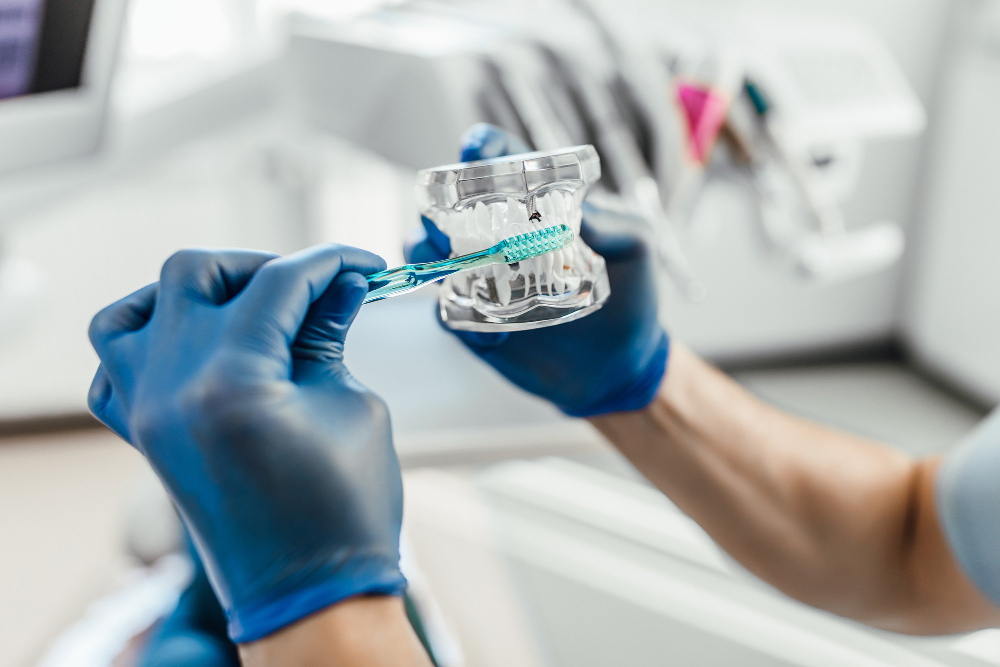
Introduction to TMJ Disorders
The temporomandibular joint (TMJ) is a crucial structure that connects the jawbone to the skull, facilitating essential functions such as chewing, speaking, and swallowing. TMJ disorders refer to a variety of conditions that affect this joint and surrounding tissues, leading to various jaw pain symptoms and dysfunctions. These disorders are relatively common, affecting millions of individuals across different age groups.
Understanding TMJ disorders is vital for maintaining not only oral health but also overall well-being. Individuals with TMJ-related issues often experience a range of discomforts, which can significantly impact their quality of life. Common symptoms include pain in the jaw, widespread headaches, and difficulties in jaw movement. In some cases, patients may also hear popping or clicking sounds when they move their jaws, which can further complicate their daily activities.
It is essential to recognize the importance of diagnosing and treating TMJ disorders early on. This is because untreated conditions may lead to more severe complications, impacting an individual’s ability to eat and communicate effectively. There are numerous temporomandibular joint causes, including arthritis, jaw injuries, and teeth grinding (bruxism), among others. Moreover, factors such as stress and poor posture can exacerbate these issues, making it crucial for individuals to be aware of their habits and health.
With numerous TMJ treatment options available, including physical therapy, medications, and dental interventions, individuals suffering from these disorders have viable paths to relief. As awareness of TMJ disorders increases, so does the understanding of their complexities, ultimately leading to better management strategies tailored to individual needs.
Anatomy of the Temporomandibular Joint
The temporomandibular joint (TMJ) is a complex structure that plays a crucial role in facilitating jaw movement. It serves as a hinge connecting the jawbone (mandible) to the temporal bone of the skull, located just in front of the ear. This joint is unique as it combines both hinge and sliding movements, allowing for a range of actions such as chewing, speaking, and yawning.
The TMJ comprises several essential components, including the articular disc, synovial membrane, ligaments, and surrounding muscles. The articular disc is a small, fibrocartilaginous structure that acts as a cushion between the mandible and the skull, helping to absorb shock and prevent wear on the bones. The synovial membrane produces synovial fluid, which lubricates the joint, allowing for smooth movement.
Surrounding the TMJ are various muscles, including the masseter, temporalis, and pterygoid muscles. These muscles work together to control the movement of the jaw and are vital for the functionality of the TMJ. Additionally, several nerves provide sensation to the joint, contributing to the overall coordination of jaw movements. When these components function harmoniously, the TMJ allows for seamless jaw movements; however, when there are issues with any part, it can lead to TMJ disorders.
Commonly, individuals may experience jaw pain symptoms due to dysfunction within the TMJ caused by factors such as injury, arthritis, or misalignment of the jaw. Understanding the anatomy of the temporomandibular joint is essential for recognizing the potential causes of TMJ disorders and effective TMJ treatment options. This knowledge can help individuals better identify their symptoms and seek appropriate care.
Common Symptoms of TMJ Disorders
Temporomandibular joint disorders (TMJ disorders) are characterized by a variety of symptoms that can significantly impact an individual’s quality of life. One of the most common symptoms is jaw pain, which may manifest as a dull ache or sharp pain that can radiate to other areas, including the temples, neck, and shoulders. This discomfort often makes daily activities, such as eating or speaking, increasingly challenging.
Another prominent symptom related to TMJ disorders is difficulty chewing. Individuals suffering from this condition may experience discomfort or a restricted jaw movement, making it hard to enjoy meals. This restriction can lead to a significant alteration in diet and nutritional intake over time, potentially contributing to other health issues.
Furthermore, many people with TMJ disorders report hearing clicking or popping sounds when moving their jaw. These sounds occur due to issues with the positioning and movement of the jaw joint. While not always associated with pain, the presence of these sounds can be concerning and may lead to heightened anxiety regarding the functionality of the jaw.
Headaches are also frequently reported by those affected by TMJ disorders. These headaches can range from tension-type headaches to more severe migraines, often resulting from muscle tension and stress related to ongoing jaw pain symptoms. The persistent nature of these headaches further complicates the overall well-being of affected individuals, sometimes leading to mental health challenges such as anxiety or depression.
In conclusion, understanding the various symptoms associated with TMJ disorders is crucial for early identification and treatment. By recognizing jaw pain, difficulty chewing, audible joint sounds, and headaches as potential indicators of this condition, individuals can seek appropriate tmj treatment options, enhancing their overall health and quality of life.
Potential Causes of TMJ Disorders
Temporomandibular joint disorders, commonly referred to as TMJ disorders, can arise from a variety of underlying causes. Understanding these causes is crucial for effective diagnosis and treatment of jaw pain symptoms that any patient may experience. Among the notable factors contributing to TMJ disorders are physical trauma, which includes injuries to the jaw or head. Such incidents can result in inflammation and dysfunction of the temporomandibular joint.
Another significant contributor to TMJ disorders is stress-related jaw clenching and teeth grinding, a condition known as bruxism. Many individuals may not even realize they are grinding their teeth at night or during stressful situations, leading to persistent jaw pain symptoms and tension in the jaw muscles. This unconscious behavior can gradually erode the joint and surrounding tissues, exacerbating the condition.
Arthritis also plays a role in the development of TMJ disorders. Both osteoarthritis and rheumatoid arthritis can affect the temporomandibular joint, contributing to degeneration of the cartilage and increased pain. Misalignment of the teeth or jaw, often due to developmental factors or certain dental problems, can further complicate the situation, leading to uneven pressure on the jaw and triggering symptoms of TMJ disorders.
Understanding these potential causes is vital, as it allows healthcare professionals to tailor tmj treatment options to address the specific underlying issue. Identifying whether the jaw pain symptoms arise from clenching, misalignment, arthritis, or trauma can refine the approach to treatment, potentially improving outcomes for individuals suffering from these conditions.
Diagnosis of TMJ Disorders
The diagnosis of temporomandibular joint (TMJ) disorders is a multi-faceted process that requires careful assessment of various factors, including medical history, physical examinations, and sometimes advanced imaging tests. A thorough medical history is paramount, as it provides insight into symptoms such as jaw pain, clicking sounds, or difficulty in jaw movement. It is essential for the healthcare provider to understand the onset, duration, and frequency of these jaw pain symptoms to establish a clearer picture of the patient’s situation.
After gathering the medical history, a physical examination is conducted. This examination typically involves palpating the jaw and assessing its range of motion, as well as looking for signs of swelling or tenderness. The clinician may inquire further about the patient’s dental health, habits like teeth grinding or jaw clenching, and any previous injuries affecting the jaw. This thorough evaluation helps pinpoint whether the symptoms are indeed linked to TMJ disorders and assists in ruling out other potential causes of pain.
In some cases, imaging tests such as X-rays, CT scans, or MRIs may be necessary to obtain a more detailed view of the jaw’s structure and the surrounding tissues. These imaging techniques are particularly useful in identifying any structural abnormalities or damage in the temporomandibular joint and surrounding area.
Selecting a healthcare provider skilled in diagnosing TMJ disorders is crucial. Dentists, oral surgeons, and specialists in temporomandibular disorders are qualified to conduct the necessary assessments. Referrals and consulting with a healthcare professional experienced in this area can significantly enhance the diagnostic process and subsequent treatment options available to the patient.
Impact on Daily Life and Activities
Temporomandibular joint (TMJ) disorders significantly affect the quality of life for those who suffer from them. The discomfort and pain associated with jaw pain symptoms can disrupt normal daily activities, influencing everything from eating habits to social interactions. For instance, individuals may avoid certain foods that exacerbate their jaw pain, leading to a limited diet. This restriction can cause missed opportunities for social gatherings where food is a central component, creating feelings of isolation and frustration.
Moreover, the pain associated with TMJ disorders often leads to difficulties in maintaining focus, whether at work or in personal conversations. Individuals may find themselves distracted by discomfort during critical meetings or social exchanges, diminishing their engagement and productivity. A study highlighted that a significant percentage of people with TMJ disorders reported that chronic pain negatively impacted their interpersonal relationships. The stress and anxiety stemming from these pain episodes can also further complicate everyday tasks.
The repercussions of TMJ disorders extend beyond physical symptomatology, touching on emotional and psychological aspects of life. Chronic pain can lead to increased levels of depression and anxiety, affecting overall well-being. In fact, many individuals struggling with these conditions have expressed feeling misunderstood or overlooked by peers who do not grasp the debilitating nature of their symptoms. This emotional toll can create a vicious cycle, wherein stress exacerbates jaw pain symptoms, leading to a decline in quality of life.
Anecdotal evidence attests to the far-reaching effects of TMJ disorders. For some, the complexities involved in finding effective TMJ treatment options can add another layer of frustration, particularly if initial treatments yield little relief. Therefore, addressing the impact of TMJ disorders on one’s daily life not only highlights the need for awareness and understanding but also underscores the importance of effective management strategies.
Treatment Options for TMJ Disorders
Temporomandibular joint disorders, commonly known as TMJ disorders, can present various jaw pain symptoms that significantly impact daily life. The treatment options available strive to alleviate these symptoms and enhance the quality of life for those affected. Initially, conservative approaches are often considered the first line of treatment.
Lifestyle modifications can play a crucial role in managing TMJ disorders. These changes may include avoiding hard foods, minimizing excessive jaw movement, and employing stress management techniques. Physical therapy is another valuable non-invasive option, focusing on exercises designed to strengthen the jaw muscles and improve flexibility, helping to alleviate pain associated with the temporomandibular joint.
In addition to these conservative methods, healthcare providers may recommend medications to relieve pain and reduce inflammation. Nonsteroidal anti-inflammatory drugs (NSAIDs) are commonly used, although muscle relaxants and corticosteroids may also be prescribed in certain circumstances. However, for some individuals, these interventions might not provide sufficient relief.
Dental appliances, particularly nightguards or splints, are often employed to manage TMJ disorders. These devices help prevent teeth grinding and reduce pressure on the jaw, ultimately alleviating jaw pain symptoms. In cases where conservative treatments fail to deliver lasting results, surgical options may be explored. Surgical interventions range from arthroscopy, which is minimally invasive, to more complex procedures aimed at repairing or replacing the temporomandibular joint.
It is essential for individuals experiencing TMJ disorders to consult healthcare professionals for a thorough assessment of their condition. This ensures that a tailored approach to treatment is developed, addressing not only the symptoms but also the underlying temporomandibular joint causes. Ultimately, a combination of these treatment options may help achieve the best outcome for managing TMJ disorders.
Preventive Measures for TMJ Disorders
Preventing TMJ disorders largely hinges on proactive lifestyle adjustments. Individuals can significantly mitigate their risk of developing these conditions through several straightforward practices. First, stress management is crucial. Stress often leads to jaw clenching and teeth grinding—both of which are well-known jaw pain symptoms. Engaging in relaxation techniques such as mindfulness, meditation, or yoga can alleviate stress and, consequently, reduce the likelihood of TMJ disorders.
Proper posture also plays a pivotal role in the prevention of temporomandibular joint causes. Maintaining an ergonomic work environment, particularly for those who spend long hours at a desk, is vital. Ensuring that the computer screen is at eye level and that one maintains a straight spine can prevent undue strain on the jaw. Furthermore, being conscious of one’s posture while sitting, standing, or even sleeping helps in positioning the jaw correctly, thus minimizing the risk of discomfort and potential disorders.
Dietary adjustments can also contribute significantly to the prevention of TMJ disorders. A diet that minimizes hard, chewy, or sticky foods can help ease strain on the jaw. Additionally, incorporating foods rich in omega-3 fatty acids can promote joint health and reduce inflammation. Ensuring proper hydration is also essential, as saliva production helps in lubricating the temporomandibular joint, further preventing discomfort.
Finally, regular dental check-ups can aid in the early identification of problems that might lead to TMJ disorder symptoms. Dentists can provide tailored advice on behaviors such as grinding or clenching, and recommend appropriate TMJ treatment options, if necessary, to avoid escalation. By taking these preventive measures, individuals can safeguard their jaw health and reduce the risk of developing TMJ disorders.
Conclusion: Understanding and Managing TMJ Disorders
In conclusion, TMJ disorders encompass a range of conditions affecting the temporomandibular joint, which can lead to various jaw pain symptoms that significantly impact the quality of life. Recognizing the common signs, such as difficulty in chewing, jaw clenching, and facial discomfort, is crucial for early diagnosis. Prompt identification of these symptoms often leads to more effective tmj treatment options, mitigating potential complications that may arise from untreated conditions.
Understanding the temporomandibular joint causes is critical in formulating a treatment plan tailored to individual needs. Factors such as injury, arthritis, or stress-related habits could contribute to the development of these disorders. Therefore, a comprehensive evaluation by healthcare professionals is essential for determining the underlying causes of the jaw pain symptoms and providing appropriate guidance.
Patients are encouraged to seek medical advice at the first sign of problems related to their jaw. Healthcare providers can offer various treatment strategies, ranging from lifestyle modifications, physical therapy, to more invasive interventions if necessary. Through proper management and early intervention, individuals suffering from tmj disorders can lead healthier and more comfortable lives, reducing the incidence of chronic pain and dysfunction. Emphasizing the importance of understanding and addressing these disorders allows for a more informed approach to personal health and well-being.
